aggregation / modular ordering / asymmetric grouping
SECTION 01 // PROJECT SPECIFICATIONS
RELATIONAL RHYTHM // DUC BAO BUI
AUDIO AS STRUCTURAL FORCE IN MOTION DESIGN
PROJECT TYPE
Relational Rhythm is a 2:30-minute experimental motion-design film that translates musical structure into spatial organisation, material behaviour and bodily relation.
DESIGN QUESTION
How can rhythm, harmony and melody structure bodies, space and visual tension without merely illustrating the music?
POETIC QUESTION
How can musical structures be visualised as relational forces that position, bind and destabilise bodies?
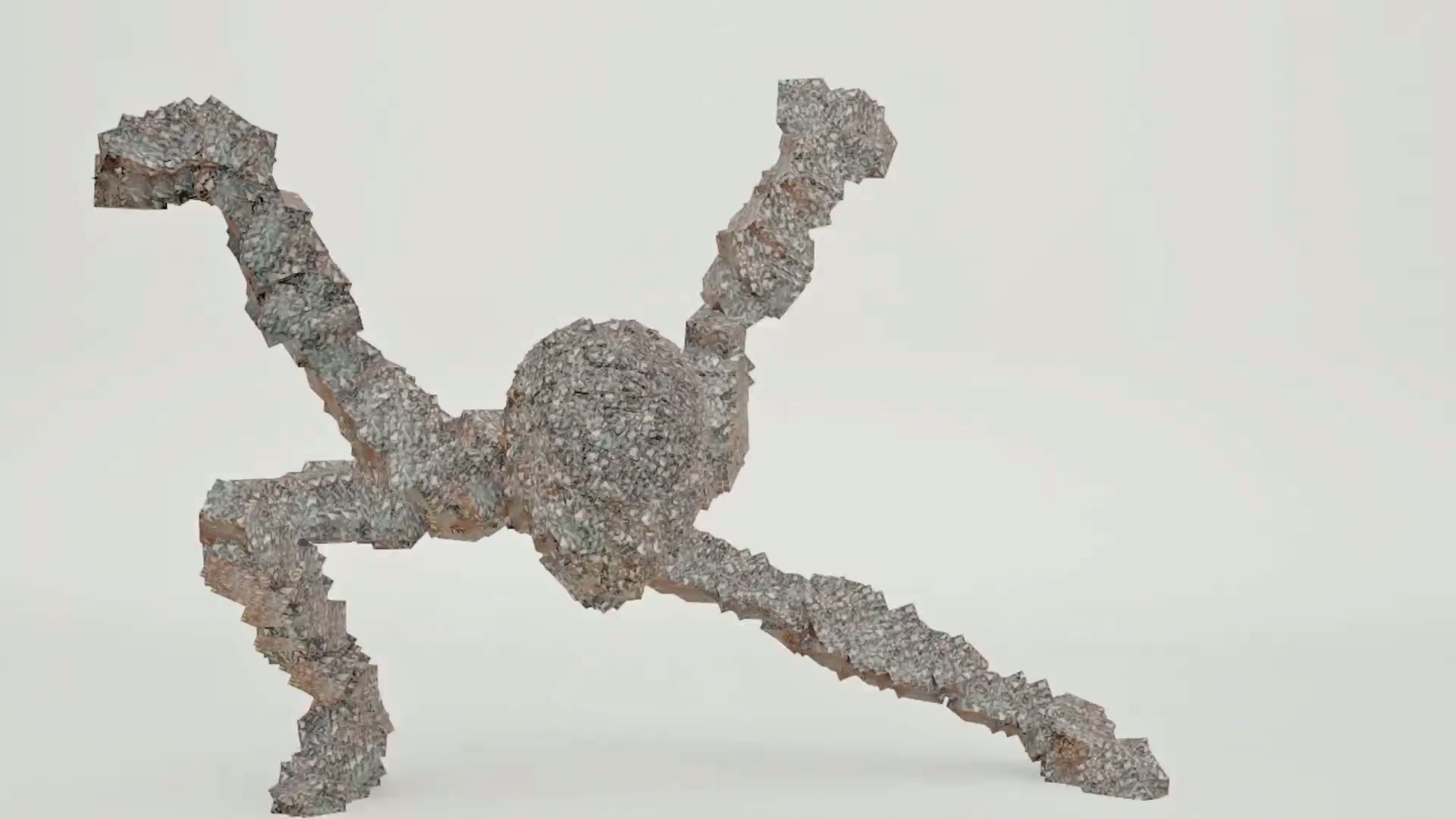
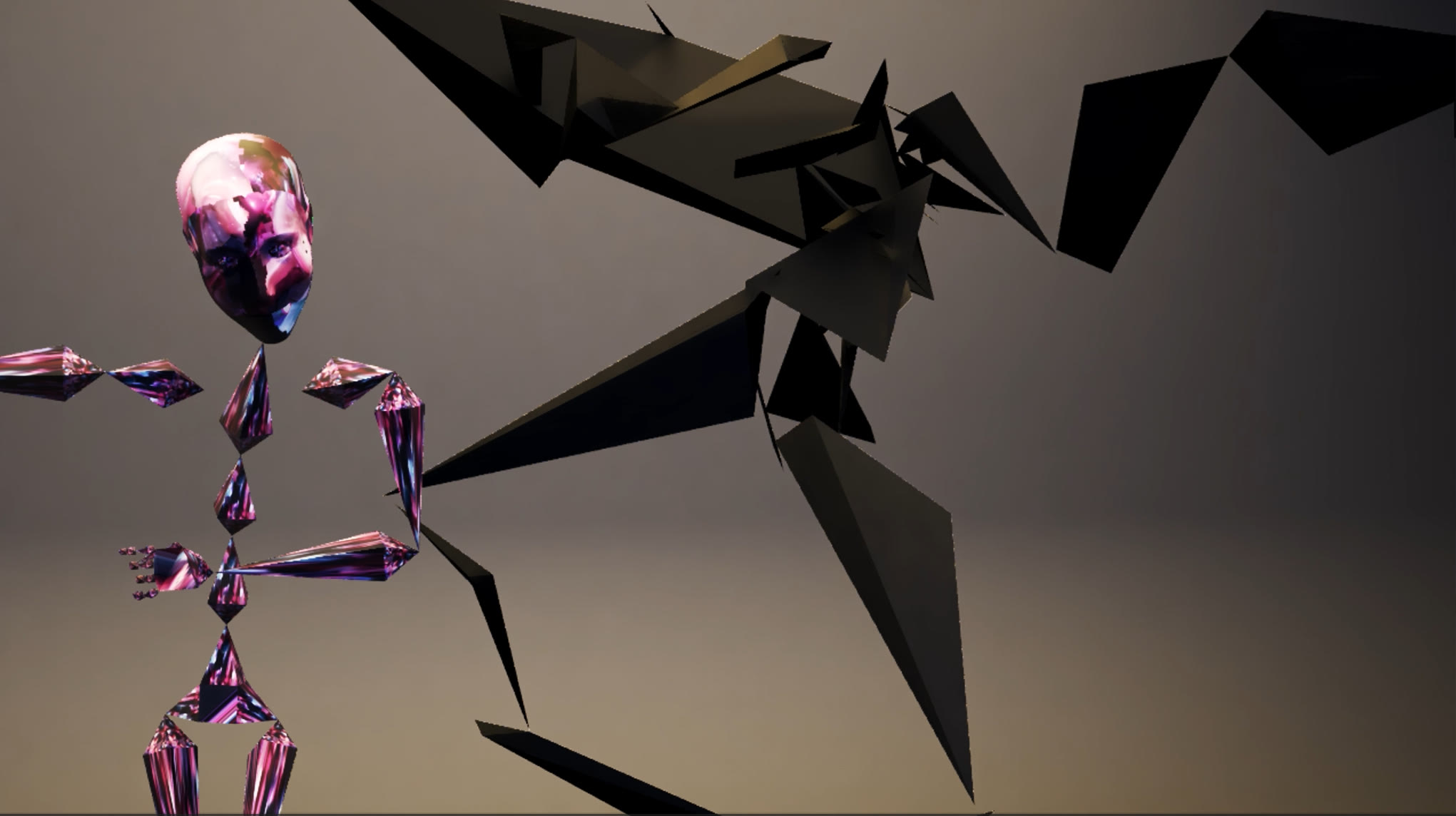
SECTION 02 // FINAL FILM & RELATIONAL STATES

SECTION 03 // SYSTEM DESIGN & AUDIO TRANSLATION
Music is treated not as a linear narrative, but as a relational system that structures body, space and movement. The body functions as a carrier of parameters and as a resonant field for rhythmic and spectral change.
ACTIVE RELATIONDRUMS → FORMATION
LAYER 01 // MUSICAL STRUCTURE
LAYER 02 // VISUAL OPERATIONS AND STATES
echo / layering / material resonance / spatial continuity
fragmentation / drift / destabilisation / reconfiguration
Musical layers overlap throughout the film. The diagram shows the dominant design relation used to structure each phase.
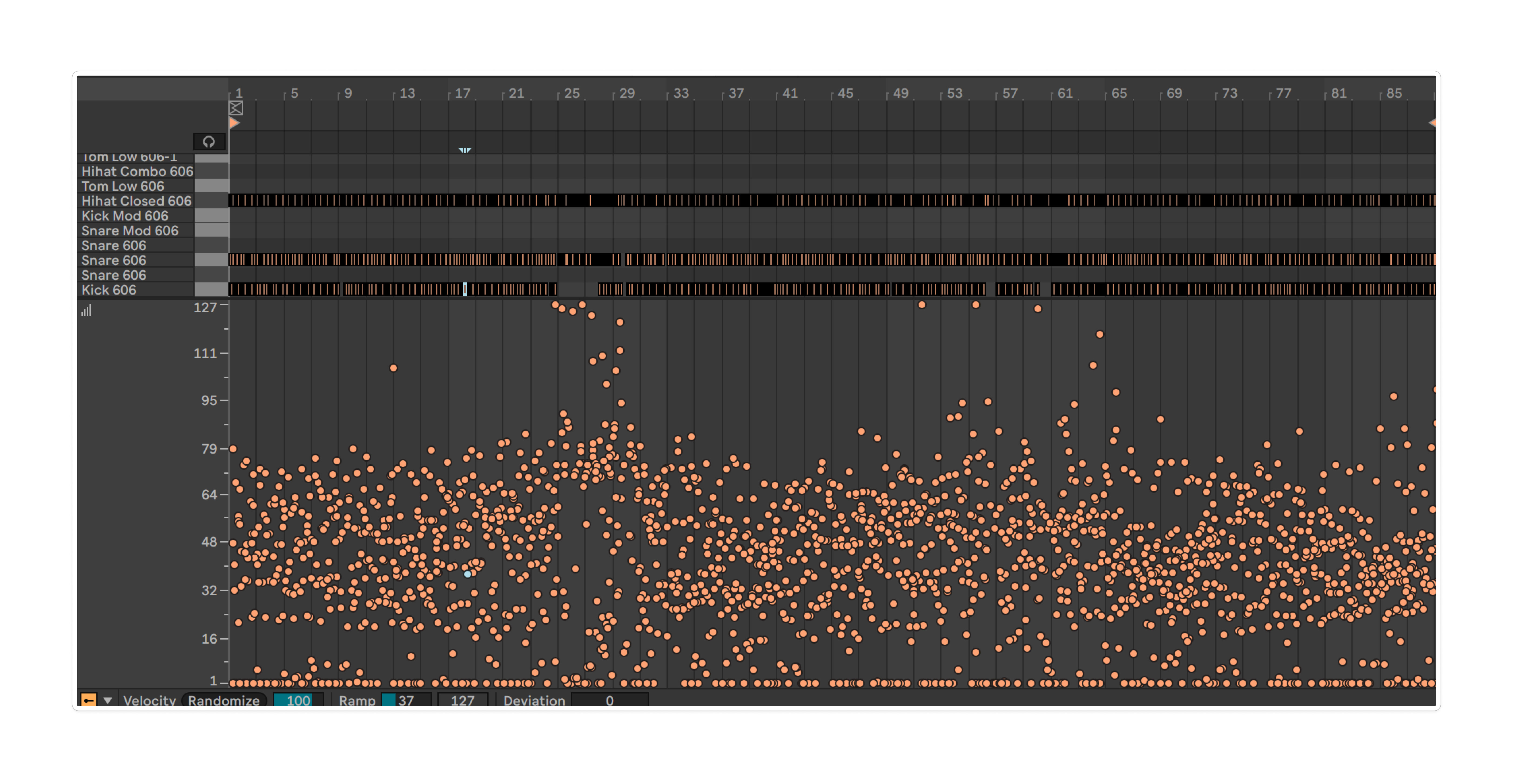
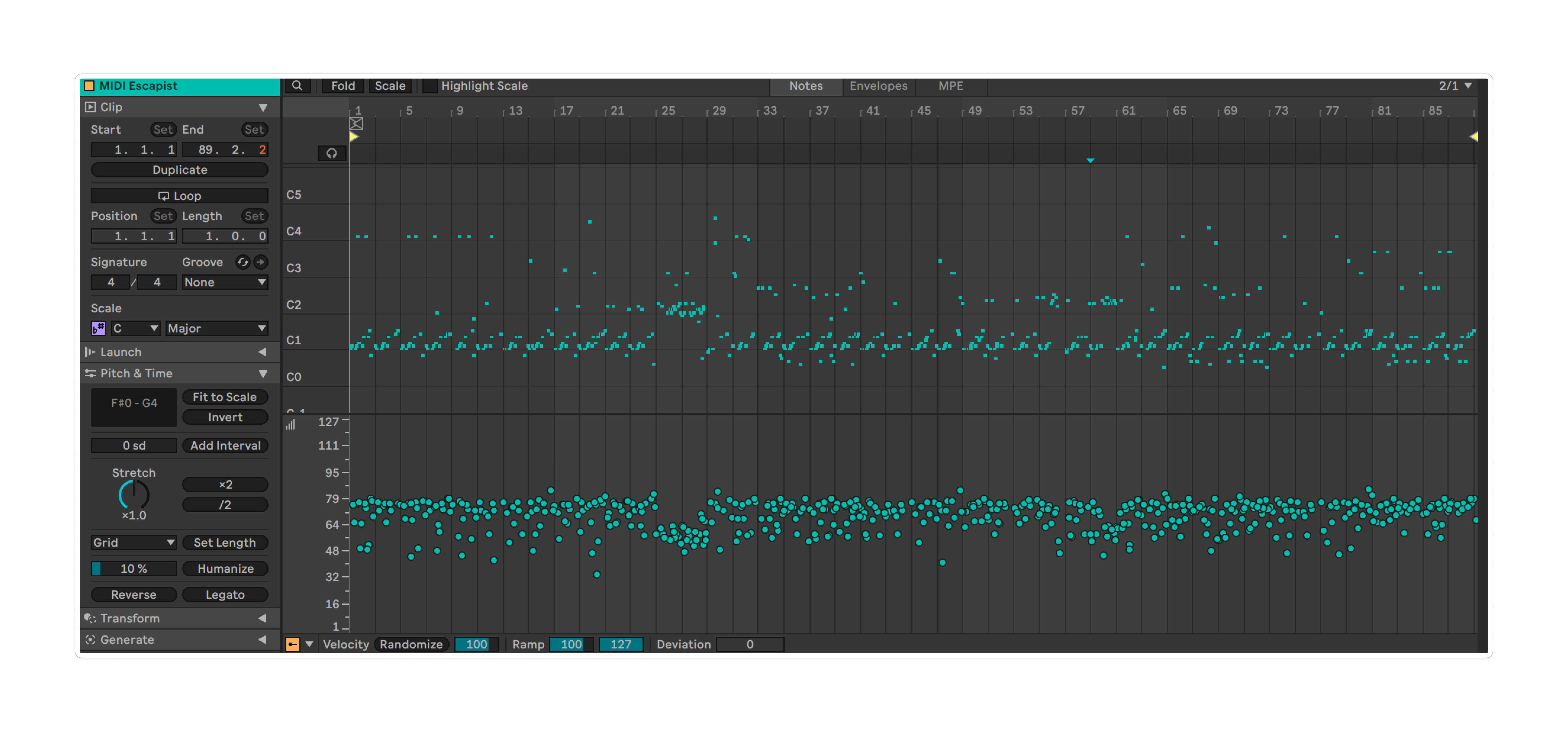
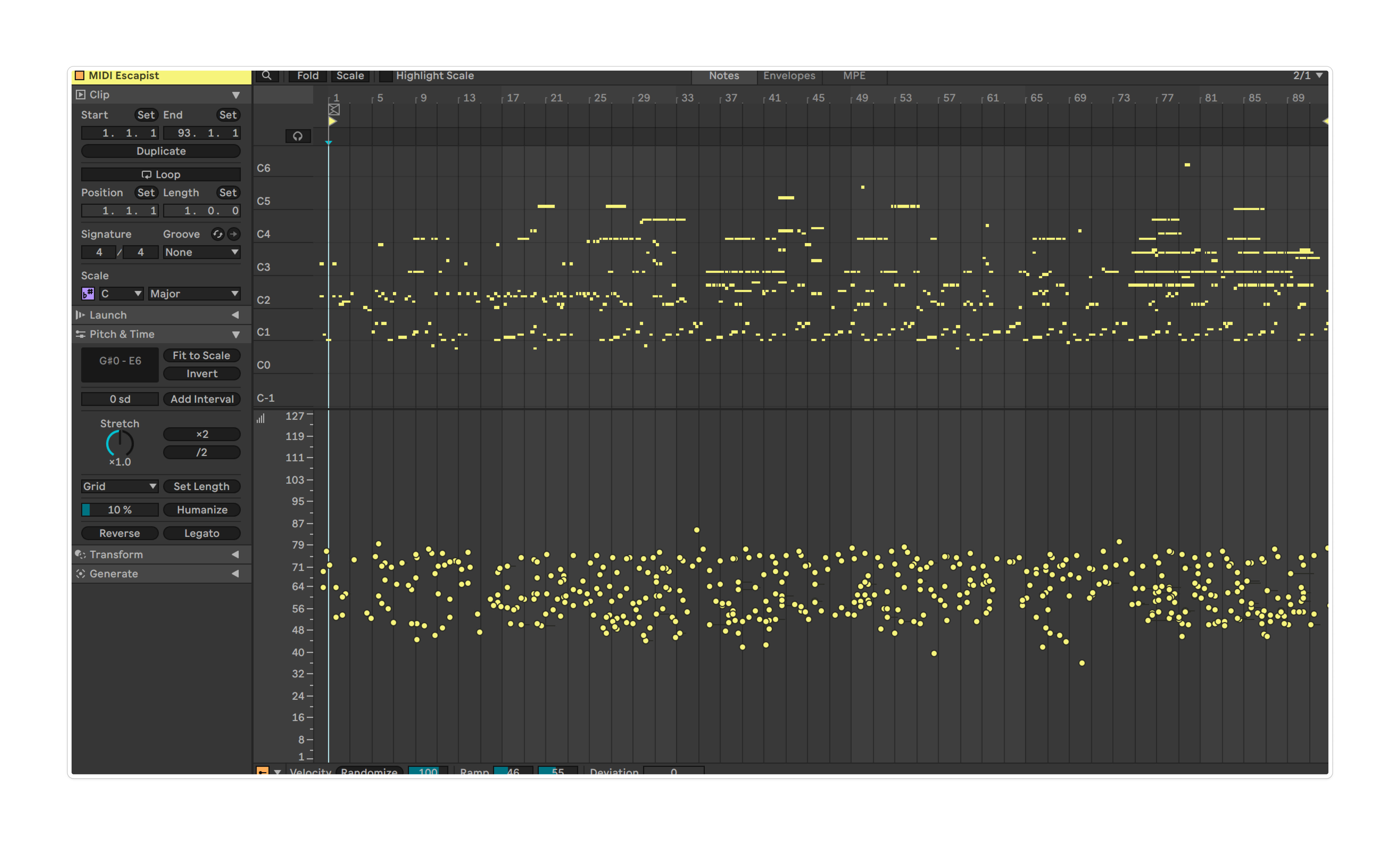
This translation was developed as a design interpretation, not as an automated or empirically validated mapping.
Audio and MIDI analysis informed the visual rules, while final relationships were refined through iterative motion-design decisions.SECTION 04 // DESIGN INSIGHTS & RELATIONAL PHASES
Musical structure became most productive when treated as a system of forces rather than as a cue for literal illustration.
01 // FORMATION
Formation before expression
- MUSICAL CONDITION
- Dense drum events and rhythmic interruption
- DESIGN OPERATION
- Attraction, grouping and modular positioning
- VISIBLE EFFECT
- Bodies form asymmetric spatial aggregates
DESIGN STATEDENSITY: HIGH / CONTINUITY: VARIABLE / SPATIAL STATE: GROUPED
02 // VIBRANCE
Order becomes resonance
- MUSICAL CONDITION
- Sustained harmony and spectral continuity
- DESIGN OPERATION
- Echo, layering and material tracer extension
- VISIBLE EFFECT
- Forms expand into continuous resonant fields
DESIGN STATEDENSITY: MEDIUM / CONTINUITY: STABLE / SPATIAL STATE: RESONANT
03 // REPHASE
Stability is deliberately broken
- MUSICAL CONDITION
- Directional melody, interruption and accumulated tension
- DESIGN OPERATION
- Fragmentation, drift and unstable recomposition
- VISIBLE EFFECT
- Body and field disperse into unpredictable configurations
DESIGN STATEDENSITY: VARIABLE / CONTINUITY: FRACTURED / SPATIAL STATE: DISPERSED
SECTION 05 // PROCESS SYSTEMS & REDUCTION
From reference research to styleframe logic, audio analysis and final synthesis.
01 // DEEP VIEWPORT LAYER
ARCHIVE ACTIVEConscious omission was treated as an ethical and aesthetic decision, not merely as an editing operation.
Concrete reduction: the number of simultaneously visible body forms was reduced and explanatory narrative transitions were removed so that relational changes remained legible.